
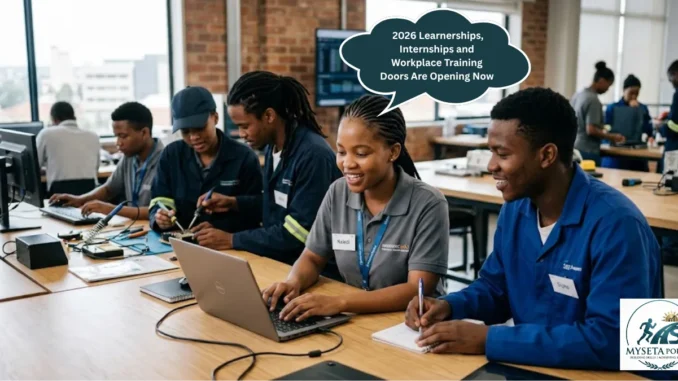
Cleaning Services Careers in South Africa: Training, Qualifications, SETA Opportunities and Jobs in 2026
The cleaning services industry in South Africa plays a major role in supporting public health, workplace safety, and economic growth. From hospitals and schools to shopping centres, offices, factories and households, professional cleaning services help maintain hygienic environments and improve quality of life.
As demand for trained cleaners, supervisors, hygiene specialists and cleaning managers continues to increase, the cleaning industry is creating employment opportunities for thousands of South Africans. Through training programmes, learnerships and accredited qualifications offered through SETAs, young people and unemployed individuals can gain practical skills and enter the workforce.
If you are looking for cleaning jobs, learnerships, workplace training or SETA-funded opportunities in South Africa, this guide explains everything you need to know.
What Is the Cleaning Services Sector?
The cleaning services sub-sector includes businesses and workers that provide cleaning and hygiene services to:
- Homes and households
- Offices and commercial buildings
- Government departments
- Hospitals and clinics
- Schools and universities
- Factories and industrial facilities
- Hotels and tourism establishments
- Airports and transport services
The sector also includes companies supplying cleaning chemicals, equipment, consumables and hygiene products.
Cleaning services contribute directly to preventing disease, promoting sanitation and ensuring safe working environments. This became even more important after increased awareness around workplace hygiene and infection control.
Types of Cleaning Services in South Africa
The cleaning industry offers many specialised career paths. Some of the major services include:
1. General Cleaning Services
General cleaning involves routine cleaning of buildings, offices, schools, shopping centres and homes. Duties include sweeping, mopping, dusting, waste removal and sanitising surfaces.
2. Carpet and Upholstery Cleaning
Professionals clean carpets, furniture and upholstery using specialised equipment and chemicals.
3. Industrial Cleaning
Industrial cleaners work in factories, warehouses and manufacturing plants where deep cleaning and safety standards are required.
4. Healthcare Cleaning
Healthcare cleaners maintain hygiene in hospitals, clinics and healthcare facilities to prevent infections and ensure patient safety.
5. Vehicle Cleaning Services
This includes cleaning and detailing of cars, buses, trucks and commercial vehicles.
6. Aircraft Cleaning
Aircraft cleaners work at airports maintaining cleanliness inside planes and aviation facilities.
7. Trauma or Crime Scene Cleaning
Specialised cleaners are trained to handle hazardous environments following accidents or traumatic events.
8. High-Rise and Window Cleaning
Workers clean windows and structures at height using safety equipment and specialised techniques.
9. Cleaning Equipment and Product Supply
Some professionals work in supplying cleaning machinery, chemicals and consumables.
10. Dry Cleaning and Laundry Services
This sector includes clothing care, laundry operations and textile maintenance.
11. Garden Maintenance Services
Groundskeeping, landscaping and outdoor cleaning form part of broader cleaning services.
12. Domestic Cleaning Services
Domestic workers and household cleaners provide cleaning support to families and private residences.
Why the Cleaning Industry Matters
The cleaning industry supports multiple sectors including:
- Healthcare
- Agriculture
- Hospitality and Tourism
- Education
- Manufacturing
- Chemical Industries
- Property Management
- Retail
- Government Services
Without cleaning professionals, workplaces would struggle to meet safety and hygiene regulations.
Cleaning Services Qualifications Available Through SETA Training
Training improves employability and allows workers to move into supervisory or specialist positions. The Services SETA supports accredited learning programmes within the cleaning industry.
Registered qualifications include:
GETC: Hygiene and Cleaning (NQF Level 1)
This qualification introduces learners to:
- Basic cleaning procedures
- Hygiene practices
- Workplace safety
- Use of cleaning products
- Customer service skills
Suitable for entry-level workers.
National Certificate: Specialist Hygiene and Cleaning Services (NQF Level 2)
Learners gain knowledge in:
- Specialist cleaning techniques
- Industrial cleaning
- Health and safety regulations
- Hazard management
National Certificate: Hygiene and Cleaning Supervision (NQF Level 3)
This qualification prepares learners for supervisory roles covering:
- Team leadership
- Cleaning operations management
- Workplace planning
- Staff supervision
- Quality control
Recommended School Subjects for Cleaning Careers
Learners interested in cleaning and hygiene careers may benefit from:
- English Home Language or First Additional Language
- Life Orientation
Good communication skills, responsibility and attention to detail are highly valued by employers.
Cleaning Services Career Opportunities in South Africa
After training, individuals may qualify for jobs such as:
Cleaning Services Manager
Responsible for supervising cleaning operations, staff schedules and service quality.
Commercial Cleaner
Works in office buildings, malls and business premises.
Domestic Cleaner
Provides cleaning services in private households.
Healthcare Cleaner
Maintains sanitation standards in clinics and hospitals.
Industrial Cleaner
Works in manufacturing plants and factories.
Dry Cleaner
Handles textile cleaning and garment maintenance.
Cleaning Supervisor
Leads teams and ensures standards are met.
Hygiene Officer
Monitors hygiene practices in workplaces.
SETA Learnerships and Workplace Training Opportunities
Many employers partner with SETAs to provide:
- Learnership programmes
- Skills programmes
- Internships
- Workplace experience
- Apprenticeships
- Accredited short courses
These programmes often include a monthly stipend while learners gain practical experience.
Young people between 18 and 35 years old are often encouraged to apply for funded opportunities.
How to Apply for Cleaning Learnerships and Training Programmes
Follow these steps:
- Prepare your updated CV.
- Include certified copies of:
- ID document
- Matric certificate (if applicable)
- Qualifications
- Register on SETA portals.
- Monitor company career pages.
- Apply before closing dates.
Services SETA Contact Details
For learnerships, training programmes and accredited qualifications within the cleaning sector, contact Services SETA:
Email: boardnominations@serviceseta.org.za
Enquiries: Mr. Phillip Kwampe on 011 694 8637, weekdays between 08:00 and 16:00
Official Website: Services SETA
You can enquire about:
- Cleaning qualifications
- Learnership opportunities
- Skills programmes
- Accredited training providers
- Workplace-based learning opportunities
Final Thoughts
The cleaning services industry offers more than entry-level employment—it provides long-term career growth opportunities through training, supervision and specialised hygiene qualifications. With increasing demand for professional cleaning across healthcare, hospitality, education and commercial sectors, trained cleaners remain essential to South Africa’s economy.
For unemployed youth and job seekers, SETA-funded training and workplace programmes can be an important pathway toward stable employment and career advancement in 2026.
Leave a Reply